Creativity | 2 min. read
Why Designers Need Happy Accidents: The Power of Handmade, Experimental Work
In an age where AI tools, algorithms, and endless online inspiration shape so much of the creative process, it’s becoming increasingly important to step away from the screen and reconnect with ways of making that feel tactile, imperfect, and human. As designers, we’re surrounded by resources that—at least in theory—should make our jobs easier: Pinterest boards overflowing with references, design blogs publishing roundups by the hour, and a never-ending stream of polished work from studios around the world. But relying too heavily on these inputs can leave our own work feeling formulaic, predictable, and a little too familiar. When we’re all dipping into the same well of inspiration, it’s no surprise that much of what comes out looks the same.
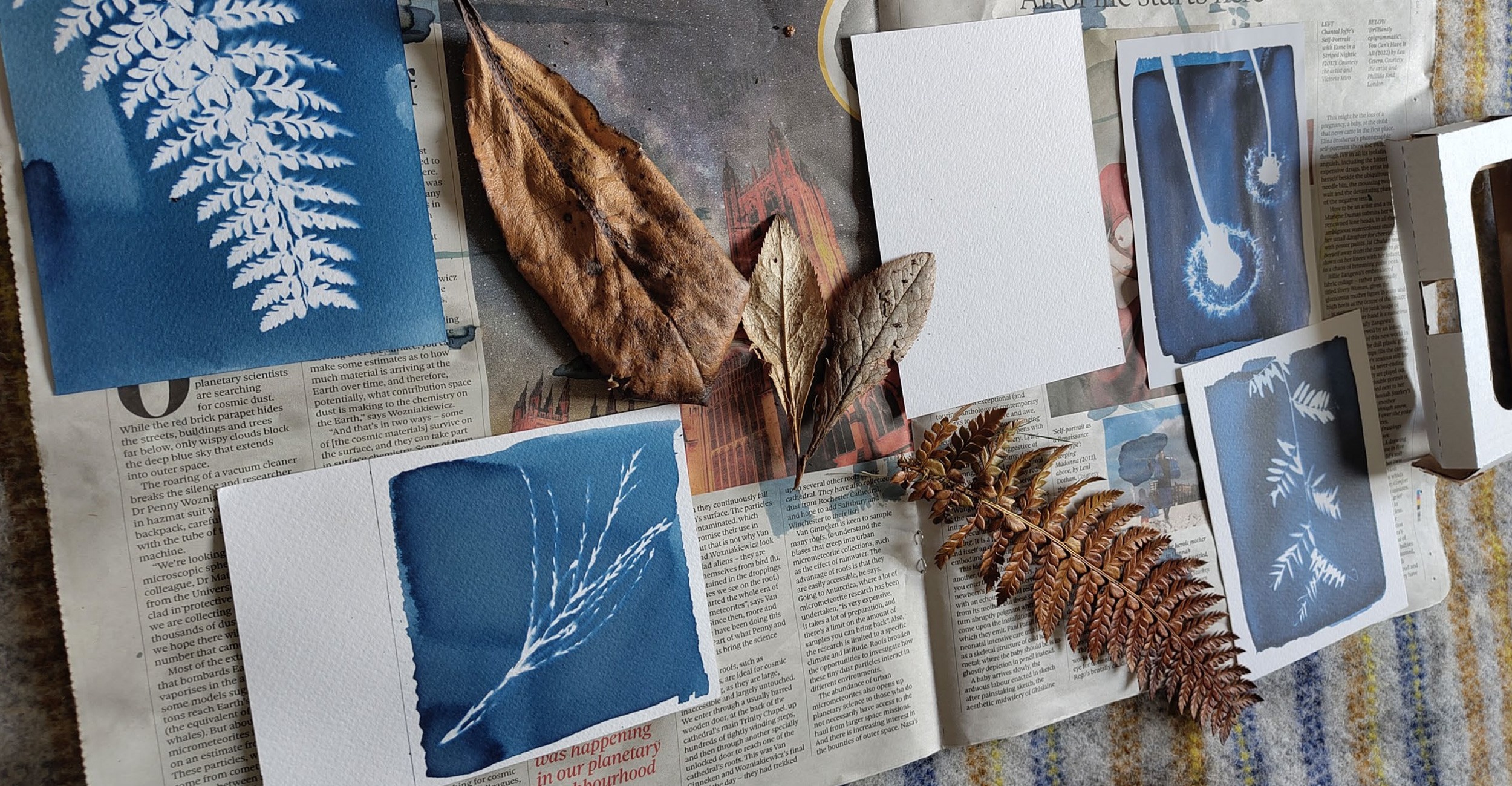
This is where creating space for experimentation becomes essential. Taking time to sketch by hand, play with materials, cut, collage, print, ink, scan, smudge—whatever medium feels alive—opens a door to ideas that can’t be generated on demand or replicated by AI. These moments are where the happy accidents happen: the ink that bleeds a little too far, the misaligned print that suddenly feels more interesting than the “perfect” one, the texture you didn’t expect when you ran something through a scanner. These are the kinds of surprises that algorithms can imitate, but only humans can stumble into.
As AI becomes more integrated into our workflows, the value of the unexpected grows. Anyone can prompt a tool to produce something tidy and technically impressive. But the designer who brings a sense of play, intuition, and material exploration to the table will create work with energy—work that carries the marks of a human process rather than a mechanical one.
Making time for experimentation isn’t about rejecting technology. It’s about protecting the parts of the creative process that make design interesting: discovery, chance, unpredictability. By stepping away from familiar visual references and letting ourselves explore without a clear agenda, we create space for ideas that feel fresh—ideas that couldn’t have come from anywhere except our own curiosity.
In a landscape flooded with resources and influenced by algorithms, the most valuable thing we can offer is not efficiency, but originality. And originality often begins in those messy, joyful moments when we allow accidents to happen.
Read more